
The best trekking shoes for Nepal are waterproof, mid-to-high-cut boots with a stiff shank and deep lugs for trails like Everest Base Camp, Annapurna Circuit, or Manaslu, and lighter mid-cut hiking shoes for shorter, lower routes like Ghorepani Poon Hill or Mardi Himal. The right choice depends on a
The best trekking shoes for Nepal are waterproof, mid-to-high-cut boots with a stiff shank and deep lugs for trails like Everest Base Camp, Annapurna Circuit, or Manaslu, and lighter mid-cut hiking shoes for shorter, lower routes like Ghorepani Poon Hill or Mardi Himal. The right choice depends on altitude, season, pack weight, and how many days you'll be on your feet.
Below is what we tell trekkers who book with us at Himalayan Social Journey, based on years of guiding groups from Lukla to Thorong La and watching what works — and what sends people limping into a teahouse on day 3.
Trekking Shoes vs Hiking Boots: What's the Difference?
"Trekking shoes" and "hiking boots" get used interchangeably, but there's a real difference on the trail.
- Hiking shoes / trail shoes: low-cut, lightweight (under 700g per shoe), flexible sole, good for day hikes and well-graded trails. No ankle support.
- Mid-cut trekking shoes: ankle-height, moderate stiffness, waterproof membrane. The most common choice for multi-day treks under 4,500m with a daypack.
- High-cut trekking boots: full ankle coverage, rigid shank, built for rocky moraine, river crossings, and loaded packs. Needed above 4,500m, on scree (Thorong La, Cho La, Renjo La), or in snow.
- Mountaineering boots: insulated, crampon-compatible, only needed for peak climbing (Island Peak, Mera Peak) or winter passes, not standard trekking.
If you're walking to Everest Base Camp or over the Thorong La on the Annapurna Circuit, go with mid-to-high-cut trekking boots. For gentler routes like Langtang Valley or Poon Hill, a solid mid-cut hiking shoe is usually enough.
How to Choose Trekking Shoes for Nepal
1. Match the Boot to the Trek
| Trek type | Altitude | Terrain | Recommended footwear |
|---|---|---|---|
| Short/moderate (Poon Hill, Mardi Himal, lower Langtang) | Up to 3,500m | Stone steps, forest trail | Mid-cut hiking shoes, waterproof |
| Classic multi-day (EBC, ABC, Annapurna Circuit, Manaslu) | 3,500–5,500m | Rocky moraine, suspension bridges, scree, snow possible | Mid-to-high-cut trekking boots, stiff sole |
| High passes (Three Passes, Cho La, Larkya La) | 5,000–5,600m | Ice, snow, loose rock | High-cut boots, consider gaiters and microspikes |
| Peak climbing add-on (Island Peak, Mera Peak) | 6,000m+ | Glacier, fixed ropes | Insulated mountaineering boots, rented or bought separately |
2. Get the Fit Right
Buy at least half a size up from your street shoe size. Feet swell on long descents and your toes need room so they don't jam into the front of the boot going downhill — this is the single biggest cause of lost toenails on the EBC and Annapurna trails. Try boots on in the afternoon, wearing the actual trekking socks you'll hike in, and walk down an incline in the shop if you can.
3. Waterproofing Matters More Than Brand
Gore-Tex or an equivalent waterproof-breathable membrane is worth paying for. Streams, snowmelt, and sudden rain are common even outside monsoon season, and wet feet on a cold morning above 4,000m is how blisters and minor cold injuries start. For the clearest weather and driest trails, most trekkers go in pre-monsoon (March–May) or post-monsoon (late September–November) — see our season-by-season guide for details.
4. Sole and Grip
Look for a Vibram or similar lugged outsole with at least 4–5mm deep tread. Suspension bridges, wet stone steps in villages like Namche Bazaar or Chhomrong, and loose scree near passes all demand grip. A stiffer shank (the support layer between the outsole and midsole) matters once you're carrying a daypack over uneven ground for 5–7 hours a day.
Should You Buy, Rent, or Bring Shoes From Home?
Bring your own, already broken in. Renting trekking boots is possible in Kathmandu's Thamel district, and the gear is often decent (Goldstar, Black Yak, and knock-off international brands), but fit is hit-or-miss and you won't have time to properly break in a rented boot before a 12–14 day trek. If you must rent, do it a day early and walk around Kathmandu's cobbled streets first to test the fit.
Buying new shoes and wearing them straight off the plane is the most common footwear mistake we see. New boots need 2–4 weeks of regular wear before a long trek.
How to Break In Trekking Shoes Before You Fly
- Wear them around the house for an hour or two a day in the socks you'll trek in.
- Walk outdoors on hills or stairs for short sessions, increasing distance over 2–3 weeks.
- Load a daypack on at least two or three walks so your feet feel the extra weight.
- Check hot spots after each walk — any rubbing on the heel or toes means you need different lacing, a thicker sock, or a different boot.
- Carry moleskin or blister tape on the trek itself; even well broken-in boots can cause friction on a 7-hour descent day.
If your boots still feel wrong after two weeks of trying, don't force it — swap them before you fly. A guide can work around almost any problem on a trek except shoes that don't fit.
What to Pack Alongside Your Trekking Shoes
- 2–3 pairs of merino wool or wool-blend trekking socks (avoid cotton — it holds moisture and causes blisters)
- 1 pair of thin liner socks if you blister easily
- Lightweight camp shoes or sandals for teahouse evenings, so your trekking boots can dry out
- Gaiters if trekking in late autumn, winter, or over high passes with snow
- A small repair kit: duct tape, spare laces, blister plasters
For the full kit list by trek length and season, see our Everest Base Camp packing list — most of it applies to any teahouse trek in Nepal, not just EBC.
Caring for Your Trekking Shoes on the Trail
- Air out boots and liners every evening in the teahouse; damp boots lose insulation and grip.
- Don't dry boots directly on a stove or heater — it cracks leather and warps soles. Stuff with newspaper instead.
- Knock out grit and mud each evening to stop it wearing the stitching.
- Re-apply a waterproofing treatment (wax or spray) before the trek and once more mid-trip on longer routes like the Annapurna Circuit or Manaslu.
Frequently Asked Questions
Do I need waterproof boots for Everest Base Camp or Annapurna Circuit?
Yes. Both routes cross streams, snow patches, and wet stone trails, especially above 3,500m and in shoulder-season months. A Gore-Tex-lined mid-to-high boot is the standard recommendation for both the Everest Base Camp trek and the Annapurna Circuit.
Can I trek in trail running shoes instead of boots?
On shorter, lower treks with light packs and dry conditions, experienced trekkers do use sturdy trail runners. For multi-day treks above 3,500m, river crossings, or passes with loose scree or snow, we still recommend a proper trekking boot with ankle support — a rolled ankle two days from the nearest road is a serious problem.
How long does it take to break in new trekking shoes?
Plan for 2–4 weeks of regular wear, including a few walks with a loaded daypack, before you fly to Nepal. Breaking them in on the trail itself is the fastest way to end up with blisters by day 2.
Can I rent trekking boots in Kathmandu?
Yes, shops in Thamel rent boots and most other trekking gear. It's a reasonable backup, but fit and break-in time are limited, so we only suggest it if you genuinely can't bring your own.
What size should I buy for trekking in Nepal?
Go half a size larger than your normal shoe size, and try boots on with the thick trekking socks you plan to wear. Toes need room to avoid jamming on long descents.
Are expensive trekking boots worth it for a one-off trek?
Not necessarily. A well-fitting mid-range boot (Merrell, Salomon, or similar) that you've broken in properly will serve you better than an expensive pair bought at the last minute and worn straight out of the box.
Local Brands Worth Knowing About
Nepal has its own trekking footwear industry, and it's worth a look if you want a backup pair or a budget option once you're in Kathmandu:
- Goldstar: a Nepali brand making affordable canvas and leather trekking shoes, widely sold and good for shorter, lower-altitude routes.
- Black Yak Nepal: built for local conditions, reasonable mid-range option for multi-day treks.
- International brands (Salomon, Merrell, La Sportiva, Lowa, Scarpa) are sold or copied in Thamel shops, but check stitching and soles carefully — quality varies.
For a long trek like the Everest Three Passes or a crossing above 5,000m, we still recommend bringing a proven, broken-in pair from home rather than relying on what you find in Kathmandu the day before departure.
A Quick Reference by Popular Trek
- Ghorepani Poon Hill / Mardi Himal (up to ~3,210m–4,500m, well-maintained stone trails): mid-cut waterproof hiking shoes are enough.
- Annapurna Base Camp (4,130m, steady stone steps and forest): mid-cut trekking boots.
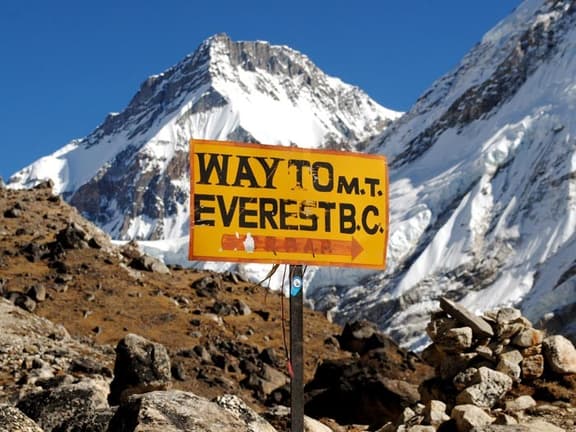
- Everest Base Camp (5,364m, rocky moraine and suspension bridges): mid-to-high-cut boots with a stiff sole.
- Annapurna Circuit over Thorong La (5,416m pass): high-cut boots, good grip for scree and possible snow.
- Manaslu Circuit over Larkya La (5,160m) or Everest Three Passes (up to 5,535m): high-cut boots, consider gaiters and microspikes in winter or early spring.
For official trail and park information, the Nepal Tourism Board and the Department of National Parks and Wildlife Conservation publish current permit and entry rules for each region — useful to check alongside your gear planning, since permit and TIMS requirements can change by season. For general footwear background, Columbia's guide on hiking boots vs. hiking shoes and Intrepid Travel's notes on breaking in boots are solid further reading.
If you're still deciding which route suits your fitness level and footwear, browse our trekking trips in Nepal or get in touch — we're happy to advise on gear for any itinerary, from a 5-day Langtang trip to a 19-day Three Passes crossing.
Frequently asked questions
Do I need waterproof boots for Everest Base Camp or Annapurna Circuit?
Yes. Both routes cross streams, snow patches, and wet stone trails above 3,500m, so a Gore-Tex-lined mid-to-high boot is the standard choice for these treks.
Can I trek in trail running shoes instead of boots?
On shorter, lower, dry-weather routes with a light pack, yes. Above 3,500m, on river crossings, or passes with scree and snow, a proper trekking boot with ankle support is safer.
How long does it take to break in new trekking shoes?
Plan for 2 to 4 weeks of regular wear, including a few walks with a loaded daypack, before flying to Nepal.
Can I rent trekking boots in Kathmandu?
Yes, shops in Thamel rent boots and other trekking gear, but fit and break-in time are limited, so bringing your own broken-in pair is better for a long trek.
What size should I buy for trekking in Nepal?
Go half a size larger than your normal shoe size and try boots on with the thick trekking socks you plan to wear, since feet swell on long descents.
Are expensive trekking boots worth it for a one-off trek?
Not necessarily. A well-fitting, properly broken-in mid-range boot usually performs better than an expensive pair bought last minute and never broken in.