
What the 14-day Everest Base Camp trek actually involves
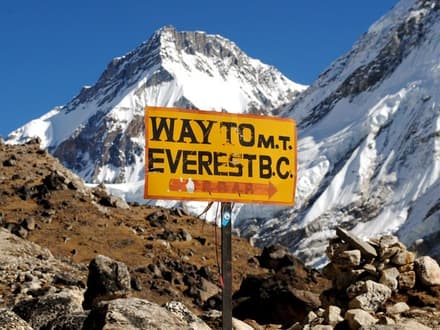
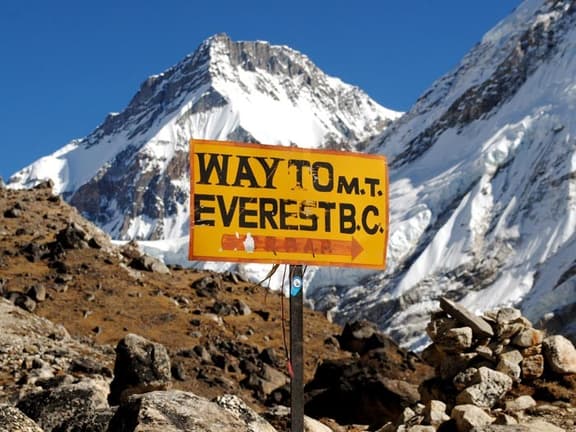
The 14-day Everest Base Camp (EBC) trek takes you from Lukla (2,860 m) through Namche Bazaar, Tengboche, Dingboche and Lobuche to Everest Base Camp itself (5,364 m) and the Kala Patthar viewpoint (5,545 m), then back down to Lukla for the flight to Kathmandu. It is a walking-only itinerary with no technical climbing, built around two acclimatisation days so your body can adjust to altitude safely.
Fourteen days counts from Kathmandu departure to Kathmandu return, including the Lukla flights on both ends. You walk on 10 to 11 of those days, averaging 5 to 7 hours a day on a well-marked trail used daily by hundreds of trekkers and local porters.
HSJ runs this route as our Everest Base Camp Trek – 14 Days, guided by NATHM-certified Sherpa guides who know the trail in every season.
Day-by-day itinerary and altitude chart
This is the standard 14-day plan most agencies, including HSJ, follow. Exact overnight stops vary a little by operator and weather, but the structure is the same.
| Day | Route | Altitude |
|---|---|---|
| 1 | Kathmandu – fly to Lukla, trek to Phakding | 2,860 m → 2,610 m |
| 2 | Phakding to Namche Bazaar | 3,440 m |
| 3 | Acclimatisation day in Namche (hike to Hotel Everest View) | 3,880 m day hike |
| 4 | Namche to Tengboche | 3,860 m |
| 5 | Tengboche to Dingboche | 4,410 m |
| 6 | Acclimatisation day in Dingboche (hike to Nangkartshang) | 5,083 m day hike |
| 7 | Dingboche to Lobuche | 4,910 m |
| 8 | Lobuche to Gorak Shep, afternoon walk to Everest Base Camp | 5,364 m |
| 9 | Sunrise at Kala Patthar, descend to Pheriche | 5,545 m then 4,240 m |
| 10 | Pheriche to Namche Bazaar | 3,440 m |
| 11 | Namche to Lukla | 2,860 m |
| 12 | Contingency/buffer day for flight delays | — |
| 13 | Fly Lukla to Kathmandu | 1,400 m |
| 14 | Departure or free day in Kathmandu | — |
The buffer day on Day 12 is not padding. Lukla's weather closes flights without much warning, sometimes for several days in a row, and this slot absorbs that risk without wrecking your international flight home.
How many days do you really walk vs acclimatize?
Out of 14 days, 2 are full acclimatisation days (Namche and Dingboche), 2 are flight days, and 1 is a buffer. That leaves 9 days of point-to-point trekking. This pacing follows the standard mountain medicine guideline of not climbing more than 300–500 m of sleeping altitude per day above 3,000 m, with a rest day roughly every 1,000 m gained.
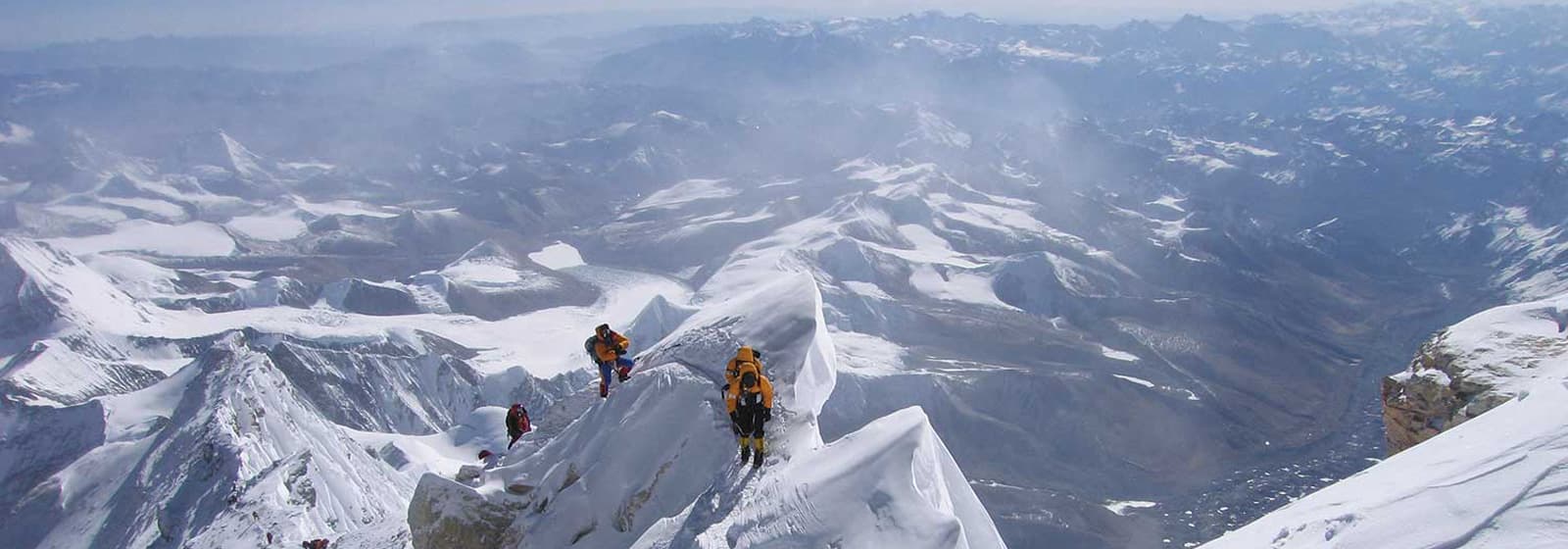
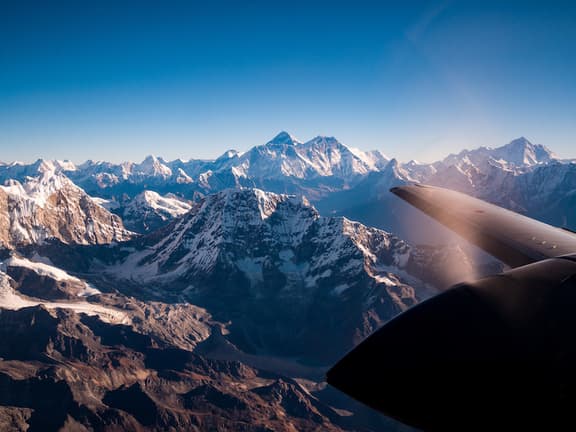
If you want to see the summit area without walking, our Everest Scenic Flight gets you within 32 km of the summit in a one-hour flight, no fitness or acclimatisation needed.
Permits and fees you need in 2026
You need two permits for EBC — no TIMS card, which was phased out of the Khumbu in 2018 in favour of the local municipality permit.
- Sagarmatha National Park entry permit — NPR 3,000 (about USD 22–23) for foreign nationals, NPR 1,500 for SAARC nationals, NPR 100 for Nepali citizens. Buy it in Kathmandu at the Nepal Tourism Board office or at the Monjo checkpoint.
- Khumbu Pasang Lhamu Rural Municipality permit — NPR 3,000 for foreign nationals (this rose from NPR 2,000 in late 2024). It can only be bought in Lukla or at Monjo, not in Kathmandu.
Together that is roughly NPR 6,000, or about USD 45, per person. Since 2023, trekking with a licensed guide is also mandatory on this route — solo, unguided trekking is no longer permitted in most of Nepal's trekking regions, including the Khumbu. See the official rules on the Nepal Tourism Board site and our own explainer on solo trekking rules.
Lukla flights and the Ramechhap (Manthali) rule
During peak trekking seasons — roughly March to May and September to November — Lukla flights for foreign trekkers are required to operate out of Ramechhap (Manthali) Airport rather than Kathmandu, under a long-standing Civil Aviation Authority of Nepal directive meant to ease congestion at Kathmandu's single runway.
Ramechhap is 4 to 5 hours from Kathmandu by road, so on these dates HSJ arranges a vehicle departure between 1:00 and 2:00 AM to reach the airport in time for the first flight slot. Outside peak season (December–February and the summer monsoon months), flights usually run directly from Kathmandu and take about 35 minutes. Rules can change with little notice, so confirm with your operator close to your travel date, and check current notices from the Civil Aviation Authority of Nepal.
Best time to trek: season by season
- March to May (spring): Stable weather, rhododendrons flowering below 3,500 m, warmer days. Lukla flights shift to Ramechhap.
- September to November (autumn): The clearest mountain views of the year and the most popular season on the trail — book lodges and flights early. Also a Ramechhap period.
- December to February (winter): Cold, especially above Dingboche, with night temperatures well below freezing at Gorak Shep. Quieter trails and direct Lukla flights from Kathmandu.
- June to August (monsoon): Wet, leech-prone lower trails and frequent flight delays due to cloud cover. Not recommended for first-time trekkers.
For a longer seasonal comparison across Nepal's regions, see our guide to the best time to trek in Nepal.
How much does the 14-day EBC trek cost?
Costs vary by operator, group size and season, and HSJ does not publish a single fixed figure here because prices change with fuel, lodge rates and flight costs. What you should expect to pay for, beyond your trip package, are:
- Permits: about USD 45 (see above)
- Nepal tourist visa on arrival: see our visa guide for current fees
- Lukla flight (often included in guided packages)
- Lodge accommodation and meals on the trail (usually included in a full-board package)
- Tips for guide and porter (not included, budget separately)
- Personal gear, travel insurance with high-altitude evacuation cover, and any extra nights in Kathmandu
For a full breakdown of where the money goes on this specific trek, read our Everest Base Camp Trek Cost 2026 article. Check current package pricing directly on the 14-day EBC trip page.
Is 14 days enough? Who should choose a shorter or longer route
Fourteen days is the standard, well-tested length for EBC — enough for safe acclimatisation without wasting leave days. But it is not the only option:
- Short on time or want to skip the downhill walk-out? The Everest Base Camp Trek with Helicopter Return (12 days) follows the identical route up, then flies you from Lobuche to Lukla in 20 minutes instead of three days of retracing your steps downhill.
- Want more remote scenery and a second viewpoint? The Gokyo Ri & Everest Base Camp Trek (17 days) adds the Gokyo lakes and a second 5,000 m+ summit.
- Want the hardest, highest version? The Everest Three Passes Trek (19 days) crosses Kongma La, Cho La and Renjo La in one continuous loop.
- Prefer more comfort on the trail? The Everest Base Camp Luxury Trek (15 days) uses upgraded lodges on the same route.
- Not sure whether EBC or Annapurna Base Camp suits you better? Read our comparison of Everest Base Camp vs Annapurna Base Camp.
If altitude and long daily walks worry you, read our honest take on whether the Everest Base Camp trek is hard before booking.
Helicopter return and other ways to finish the trek
The three days you spend walking back down from Lobuche to Lukla cover ground you have already seen, usually on tired knees. A growing number of trekkers now fly out instead. The helicopter leg from Lobuche to Lukla takes about 20 minutes and crosses the Khumbu Glacier and the full route you walked up. It is worth considering if you have a fixed return flight home or simply no interest in a repeat three-day descent. See the Lobuche to Lukla Helicopter Flight for details, or browse all Everest region trips.
Packing and training basics
You do not need mountaineering gear for EBC, but you do need layering for a temperature range from warm valley days near Lukla to well below freezing at Gorak Shep (5,164 m) and Kala Patthar. Start walking regularly, ideally with a loaded daypack, two to three months before departure, and build up to back-to-back hiking days if you can. For a full kit list by weight and season, see our EBC packing list.
Travel insurance that explicitly covers trekking above 5,000 m and helicopter evacuation is essential — check your policy wording before you leave, since many standard travel policies exclude altitudes above 4,000–4,500 m.
FAQs
Is the 14-day Everest Base Camp trek hard for a beginner?
It is a long-distance walk at altitude rather than a technical climb, so reasonable fitness and two training months of regular hiking are usually enough. The main challenge is altitude, not terrain, which is why the itinerary builds in rest days at Namche and Dingboche.
Do I need a guide for the Everest Base Camp trek?
Yes. Since 2023, independent unguided trekking is not permitted in Nepal's main trekking regions, including the Khumbu. A licensed guide is mandatory and is included in any HSJ package.
What is the highest point on the 14-day EBC trek?
Kala Patthar at 5,545 m is the highest point most trekkers reach, slightly higher than Everest Base Camp itself at 5,364 m. The pre-dawn climb to Kala Patthar on Day 9 gives the clearest direct view of Everest's summit on the whole trek.
How much do EBC permits cost in 2026?
Budget about NPR 6,000 (roughly USD 45) per person for the Sagarmatha National Park permit and the Khumbu Pasang Lhamu Rural Municipality permit combined. No TIMS card is required in this region.
Can I shorten the trek by flying back instead of walking down?
Yes. Swapping the three-day descent for a helicopter flight from Lobuche to Lukla turns the same route into a 12-day trip. See the Everest Base Camp Trek with Helicopter Return for the itinerary.
When is the best month to do the 14-day EBC trek?
October and November give the clearest mountain views and the most settled weather; March to May is warmer with rhododendrons in bloom. Both periods are busy on the trail and require the Ramechhap (Manthali) flight routing for Lukla.
Frequently asked questions
Is the 14-day Everest Base Camp trek hard for a beginner?
It is a long-distance walk at altitude rather than a technical climb, so reasonable fitness and two training months of regular hiking are usually enough. The main challenge is altitude, which is why the itinerary builds in rest days at Namche and Dingboche.
Do I need a guide for the Everest Base Camp trek?
Yes. Since 2023, independent unguided trekking is not permitted in Nepal's main trekking regions, including the Khumbu. A licensed guide is mandatory and included in any HSJ package.
What is the highest point on the 14-day EBC trek?
Kala Patthar at 5,545 m is the highest point most trekkers reach, slightly higher than Everest Base Camp itself at 5,364 m.
How much do EBC permits cost in 2026?
Budget about NPR 6,000 (roughly USD 45) per person for the Sagarmatha National Park permit and the Khumbu Pasang Lhamu Rural Municipality permit combined. No TIMS card is required.
Can I shorten the trek by flying back instead of walking down?
Yes. Swapping the three-day descent for a helicopter flight from Lobuche to Lukla turns the same route into a 12-day trip.
When is the best month to do the 14-day EBC trek?
October and November give the clearest mountain views; March to May is warmer with rhododendrons in bloom. Both are busy seasons that require the Ramechhap (Manthali) flight routing for Lukla.