
Rolwaling and Tashi Lapcha Pass Trek
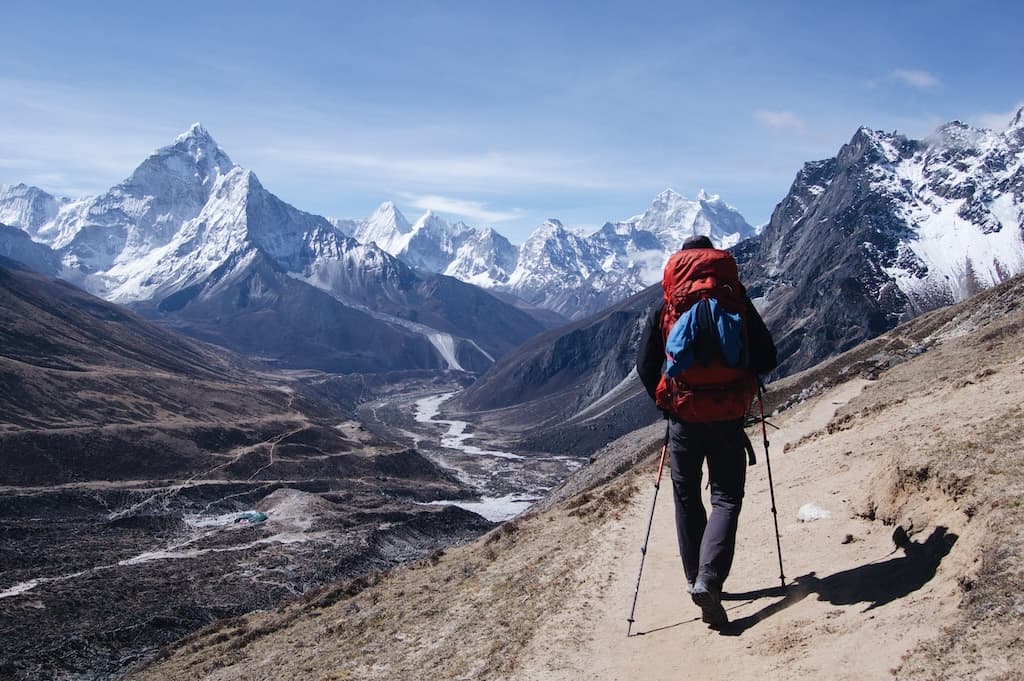
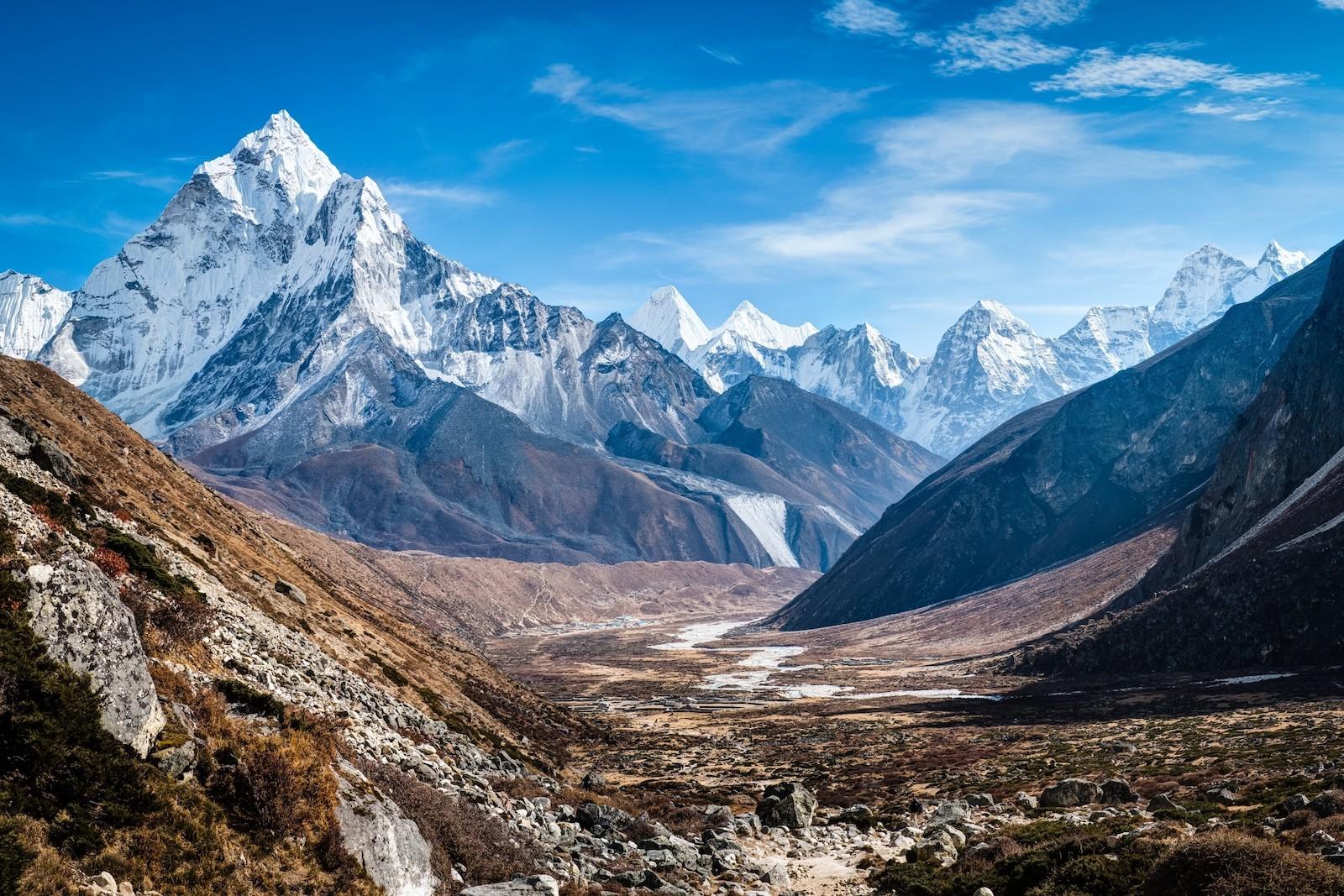
A remote crossing from the quiet Rolwaling valley over the glaciated Tashi Lapcha Pass into the Khumbu. It is a hard route on the Great Himalaya Trail for fit, experienced trekkers.
Trip Highlights
- Rolwaling valley, one of the quietest Sherpa valleys in Nepal
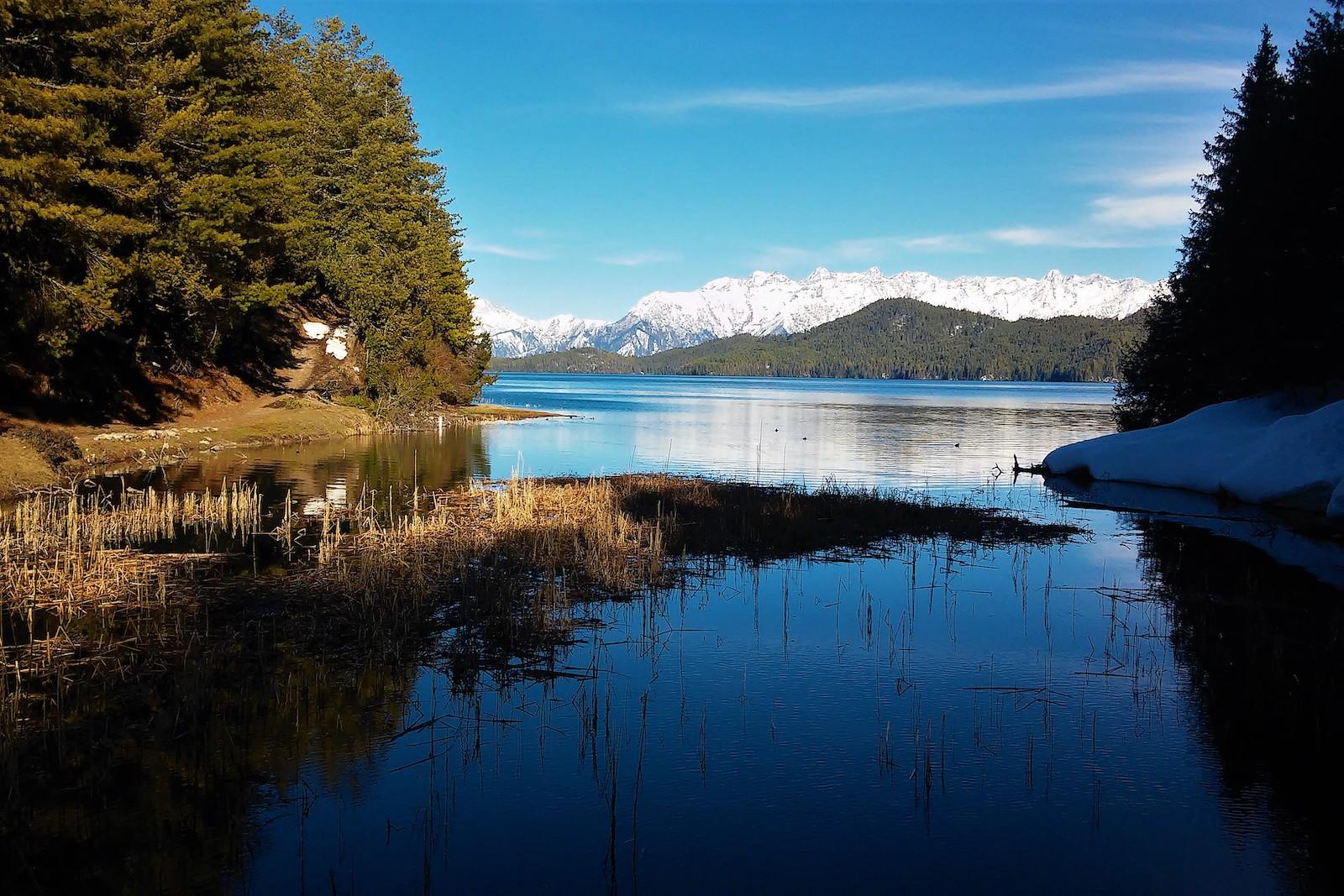
- Tsho Rolpa, one of Nepal's largest glacial lakes
- Acclimatisation at Na with views of Gaurishankar
- Drolambau glacier camps
- Crossing Tashi Lapcha Pass at about 5,755 m
- Thame, Namche Bazaar and the Khumbu on the way out
- Spare days built in for weather
Trip Overview
Day-by-Day Itinerary
We meet you at the airport and take you to your hotel. Rest, then we check your gear and talk through the route.
We do a final check of your kit and your personal climbing gear. We finish the permit paperwork. You can also see a few sights in the city.
We drive east on the Araniko Highway and turn off to Charikot in Dolakha. The road is long and can be rough in places. We sleep in a hotel.
We drive on to the trailhead near Chetchet and Simigaon. Then we walk into the forest and up to our first camp. The road conditions decide where we start walking.
We follow the Rolwaling River upstream through forest. The valley gets narrower and steeper. Beding is a Sherpa village at the foot of the high peaks.
The path climbs gently along the valley. Gaurishankar comes into view on clear days. We reach the small summer settlement of Na.
We rest, or take a short walk higher and come back to sleep. This day helps your body for the climb ahead.
We walk up to Tsho Rolpa, a large glacial lake under the Trakarding glacier. We can climb a little higher for the view. We return to Na to sleep lower.
We leave the village and start on the moraine of the Drolambau glacier. Our crew sets up camp. The ground is loose and the route finding needs care.
We follow the glacier side to a higher camp. The terrain is rocky and broken. We move early to avoid rockfall in the afternoon.
We climb to the high camp below the pass. We check ropes and gear, and the guides study the weather. We rest early.
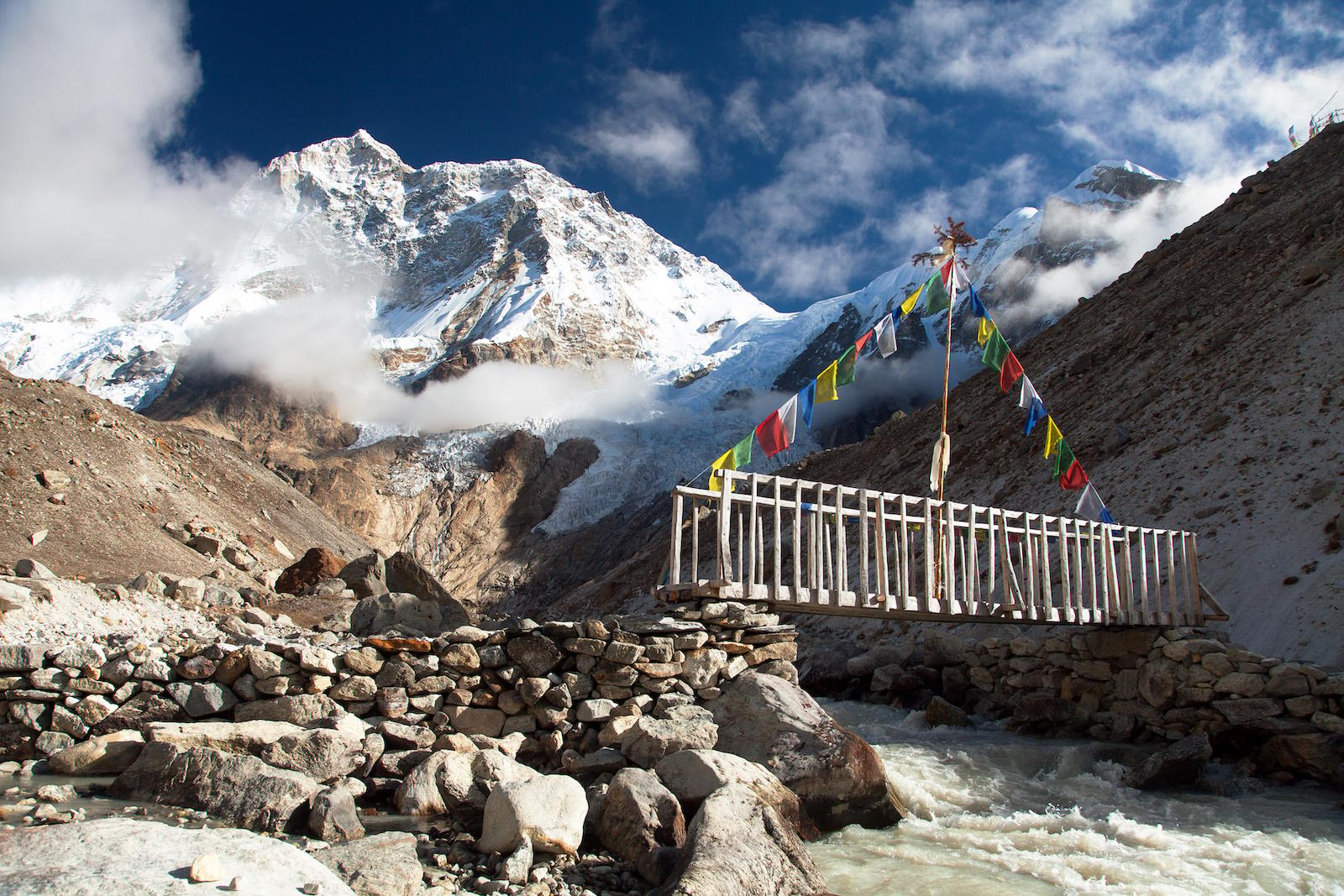
We start before dawn. The crew fixes rope on the steep sections, and we wear crampons on the ice. After the pass we go down the other side to a camp on the Khumbu side.
We continue down the glacier valley and onto grass and rock. We reach Ngole and a gentler place to rest.
We cross the valley and walk down toward the Bhote Koshi side. We reach the Sherpa village of Thame and sleep in a lodge.
The trail drops down the valley past villages and monasteries. We reach Namche Bazaar, where you can find hot showers and a bakery.
A long walk down through Sagarmatha National Park. We cross suspension bridges along the Dudh Koshi. We stay the night in Lukla.
We take the morning flight to Kathmandu. The rest of the day is free to rest and shop.
We keep this day free for flight delays in Lukla or delays on the pass. If it is not needed, you can rest in Kathmandu.
We take you to the airport for your flight home.
Route & altitude
19 days
What’s Included
Departure dates
Frequently Asked Questions
It is a serious crossing. The pass is about 5,755 m and glaciated. We use fixed rope and crampons on some sections. You need to be very fit and used to high altitude. Past glacier experience is a big help.
Basic skills are needed. Our guides will go over the basics before the pass. If you have never worn crampons, tell us early and we can plan practice time.
The main risks are rockfall, loose moraine, crevasses and changing weather. We move early in the day, keep to safe lines and may change plans or use spare days if conditions are poor.
You need a restricted area permit for Rolwaling, plus entry to Gaurishankar Conservation Area and Sagarmatha National Park. A local municipality fee may also apply in Khumbu. We handle the paperwork. At least two trekkers are needed for the restricted permit.
We go up slowly and rest a full day at Na. We also sleep lower after the Tsho Rolpa day. Tell your guide about any headache or nausea right away.
It is a large glacial lake below the Trakarding glacier, reached from Na. It is a good acclimatisation hike.
April to May and October to early November usually give the best weather for the pass. Winter is too cold and the monsoon is wet.
Bring your own crampons, harness, ice axe and helmet, plus warm clothing and a good sleeping bag. We supply the group rope and anchors. We will send a full gear list.
Traveler Stories
Traveler Reviews
Really excellent day! Rajan was my tour guide and he was excellent. Explained every historical site and the background behind it and was very informative the whole day. He made sure I was ok always, gave good reccomendations for delicious food and we got to sp…
We really enjoyed our tour of the 7 UNESCO sites today. Dipendra was very informative and told us all about the history and fascinating facts of the many temples we visited. This is a full day trip and I would recommend it to anyone visiting Kathmandu.
A great way to see all of the important sites in Kathmandu in just one day! The guide, Dipendra was great! Informative and funny!
Dioendra our guide was terrific!!! Professional, punctual, very knowledgeable We visit 7 UNESCO sites and spend several hours knowing the fascinating and magical Nepalese culture…. Wonderful time !!! Highly recommended this tour with Dioendra!!
Compare Similar Experiences